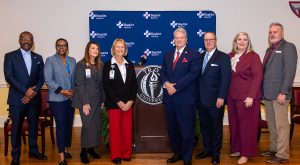
TROY’s Associate of Science in Nursing (ASN) program has received Continuing Accreditation from the Accreditation Commission for Education in Nursing (ACEN), following the April 2025 meeting of the ACEN Board of Commissioners. This prestigious recognition secures the program’s accreditation status through Fall 2032 and reaffirms its commitment to excellence in nursing education.
The ACEN’s decision highlights the program’s dedication to maintaining rigorous academic standards and preparing students for impactful careers in healthcare. The accreditation process is a comprehensive evaluation that ensures nursing programs meet national standards for quality and effectiveness.
Program Strengths Recognized
During the accreditation review, the ACEN identified two key strengths of Troy University’s ASN program: its innovative nursing apprenticeship opportunity and its strong partnership with hospital simulation centers. These elements were praised by the visiting evaluation team as enriching experiences that significantly benefit students’ clinical preparation.
Dr. Wade Forehand, Director of the School of Nursing, says, “The results from the ACEN regarding our ASN program’s continuing accreditation status demonstrate the commitment that the program and faculty have to provide our students with a quality educational experience. Meeting national accreditation standards ensures that students are receiving nursing preparation that is timely, current, and innovative.”
Dr. Forehand also noted the tireless efforts of faculty and staff in maintaining a curriculum that reflects current best practices, supports student success, and fosters strong community relationships.
A Team Effort Years in the Making
Dr. Amanda Dunagan, ASN Program Coordinator, reflected on the extensive preparation that led to this achievement:
“Even though we had a good feeling after our survey team left, we had to wait seven months for the official vote. I am so proud of our program, our students and the future that ongoing accreditation provides for our community of central Alabama.”
She credited the success to a dedicated leadership team and faculty who began preparing more than 18 months before the site visit. Faculty members balanced the demanding task of writing accreditation chapters with their teaching, lab instruction, and clinical responsibilities.
Dr. Dunagan also highlighted how deeply the ACEN Standards are embedded in the program’s operations:
“The Standards guide our faculty meetings, our committees, and the way we make decisions. New faculty and students are immediately oriented to these standards, keeping accreditation at the forefront of all we do.”
Looking Ahead
With accreditation secured through 2032, the ASN program is poised to continue its mission of serving Montgomery and surrounding communities. Plans are underway to expand offerings and further strengthen community partnerships.
For more information about TROY’s ASN program, you can visit the program webpage. Visit the ACEN website for more information about this accreditation.