Troy University’s Mediterranean Mosaic study abroad program brought together 37 participants for an immersive educational experience across five countries. This interdisciplinary initiative demonstrated the University’s commitment to experiential learning through meaningful cultural engagement and academic exploration.
Program Overview and Participants
Led by Dr. Sam Booker from the Department of Counseling, Rehabilitation, and Interpreter Training (CRIT), the faculty team included Dr. Kanessa Doss (Psychology), Dr. Joel Willis (CRIT), and Dr. Emma Goff (CRIT). According to Dr. Booker, “The program emphasized multicultural learning, global engagement, and interdisciplinary connection.”
The diverse group consisted of 19 current students, 5 alumni, and 9 community members representing programs including counseling, infant and early childhood mental health, rehabilitation and disability studies, education, MBA, biomedical sciences, exercise science, nursing, psychology, communication, nutrition, and social work.
Journey Through the Mediterranean
The program utilized cruise ship travel to explore Italy, France, Spain, and Portugal, with several participants also taking an independent day trip to Monaco. In Italy, the group visited the Leaning Tower of Pisa, the Colosseum in Rome, and viewed Michelangelo’s David in Florence. A significant highlight was a professional visit to a medical facility offering psychological care to infants, children, and caregivers, directly connecting academic study with field-based applications.
In France, participants toured Marseille and explored the Château d’If, famously featured in The Count of Monte Cristo. The Spanish portion included visits to Barcelona’s Sagrada Família and Ibiza’s Can Marçà caves. Many participants woke at 1:00 a.m. to witness the ship pass by the Rock of Gibraltar, creating a memorable moment that connected geography and history in real time.
The program concluded in Portugal, where students explored Lisbon and attended a traditional fado performance, experiencing the emotional and cultural depth of Portuguese musical storytelling.
Student Perspectives
The transformative nature of the experience was evident in participant reflections. Student Eliza Grace Carver shared her perspective on the journey:
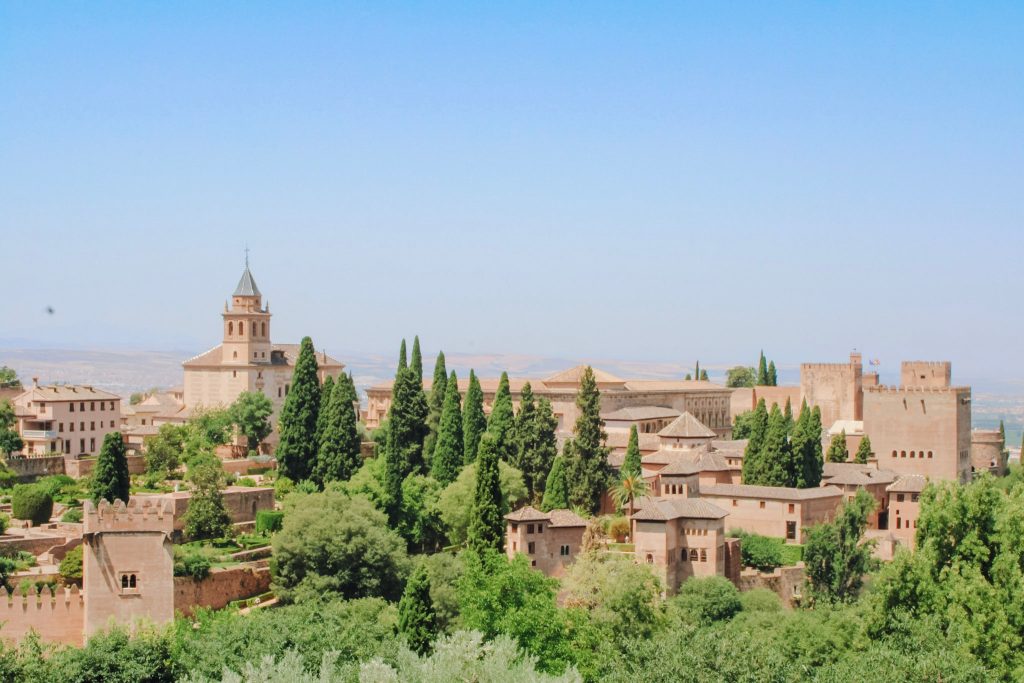
“My study abroad cruise through the Mediterranean was the most amazing experience. We started in Rome and ended in Lisbon, and every single stop felt like a new world. In Ibiza, we went kayaking and cliff jumping, and the water was so clear and turquoise I still can’t believe it was real. One of my favorite memories was a pasta-making class in Pisa where I got to connect with the sweetest locals and learn how to make pasta the real Italian way. It wasn’t staged or fancy, just warm and genuine, and I left with full hands and a full heart. The Alhambra in Spain completely took my breath away with how detailed and massive it was, all made by hand. Even cities in the same country felt totally different, which made each day feel new and exciting. This trip showed me how much beauty there is in truly experiencing new places and people, and how those moments shape who we become.”
Educational Impact
The Mediterranean Mosaic experience reflected Troy University’s commitment to experiential learning and multicultural education. Through engagement with global history, diverse cultural traditions, and professional practices abroad, students and community members deepened their understanding of identity, connection, and community across borders. The interdisciplinary nature created opportunities for cross-program collaboration, with community members and alumni providing diverse professional perspectives and mentorship opportunities.
This program successfully demonstrated the value of experiential learning in higher education, preparing students for global citizenship and cultural competency in an increasingly interconnected world.