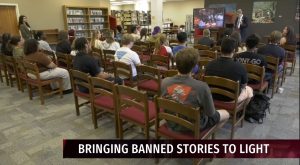
TROY, Ala (TROJANVISION) — Every year from Oct. 4-0, the Troy University Libraries passes out banned and restricted books as part of banned books week.
The week is an annual awareness campaign organized and sponsored by the American Library Association (ALA). During the week, libraries across the nation celebrate the freedom to read and spotlight the harm of book censorship.
As part of the week, the library passed out banned and restricted books to students, free of charge.
“I think that it’s important that every library take part in it, but I think its good for our students to be aware that things like this happen but at the same time it just puts books in their hands,” said Dean of Libraries Dr. Chris Shaffer.
Among the censored books passed out were “The Color Purple,” “The Perks of Being a Wallflower” and “A Prayer for Owen Meany.”
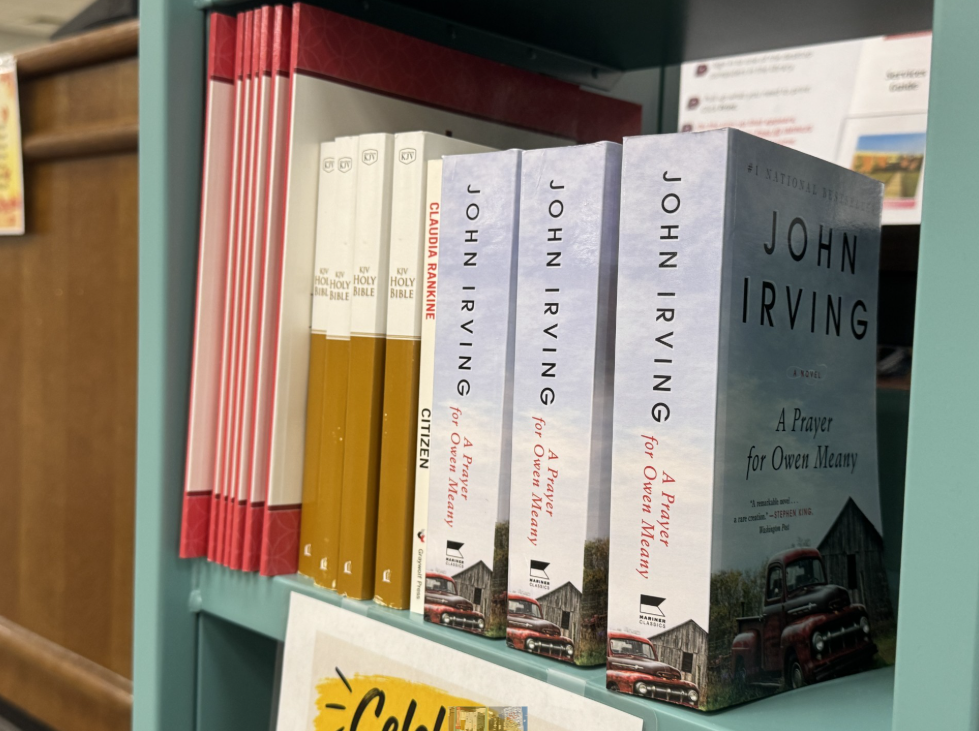
They were all banned for different reasons ranging from explicit sexual content and violence to political and historical critiques.
Shaffer says the reasoning behind banning books has changed over time, though.
He says books used to be banned for things like explicit language and sexual content. Now, they’re being banned for containing content – such as LGBTQ+ topics – that makes some readers feel uncomfortable.
BANNED BOOKS WEEK: Sigma Tau Delta shines light on banned books during read-in
“People are wanting to ban books for the very reason they should want to read them,” Shaffer said. “They’re saying it goes against their perspective – well the reason you read is to get a different perspective.
“I didn’t pick up this book because I could read my own thoughts. I wanted to know somebody else’s.”
When it comes to books being banned on a national scale, Shaffer says he isn’t worried, but he is aware.
“I think dystopian fiction is in, but I don’t think we’re quite there as a country yet,” Shaffer said. “That isn’t something I lose a lot of sleep over, but I think it’s always good to always remain vigilant.”
While the library is closing the book on Banned Books Week, it’s still encouraging students to exercise their freedom to read.